Thinking about listing your Newhall home? The biggest mistake many sellers make is treating Newhall like one simple market when it really behaves like a collection of smaller micro-markets. If you want to price well, prepare wisely, and attract serious buyers, it helps to understand how your exact location, home style, and condition shape your strategy. Let’s dive in.
Newhall Is Not One-Size-Fits-All
Newhall has active demand, but the numbers tell a mixed story depending on the source and metric. Zillow reports an average home value of $720,837 with homes going pending in about 20 days, while Redfin reports a median sale price of $760,000 and about 46 days on market. Realtor.com shows a median listing price around $537,500, about 132 homes for sale, and says homes sold for about asking on average in March 2026.
Those numbers are helpful, but they are not interchangeable. They reflect different time frames and different measurements, which is why you should treat them as directional rather than final pricing guidance. In Newhall, your best pricing strategy starts with recent comparable sales from your immediate area, your home’s condition, and the part of Newhall where your property sits.
Know Your Newhall Micro-Market
The City of Santa Clarita describes Old Town Newhall as the city’s oldest historic neighborhood and a leading arts-and-entertainment district with walkable restaurants, shops, public art, and events. The city also notes that the downtown core has a historic feel shaped mainly by Victorian, Western, and Mission Revival architecture. Outside that core, the area includes a broader range of home styles with more focus on overall site and building design.
That matters when you list. A home near Old Town Newhall may appeal to buyers who care about architectural character, preserved details, and location within the historic core. A condo, townhome, or suburban-style home in another part of Newhall may compete more on layout, condition, natural light, and visible upgrades.
Match Your Home to the Right Buyer
Before you choose a price or schedule photos, decide what kind of listing you are actually preparing. In most cases, your home will fit one of these categories:
- Character property with historic or distinctive design features
- Move-in-ready home with clean presentation and updated finishes
- Value-priced opportunity with room for buyer improvements
This step helps you make better decisions about prep, pricing, and marketing. If your home has charm and period details, the goal may be to preserve and highlight them. If your home is more functional than distinctive, buyers may focus more on condition, comfort, and ease of move-in.
Price Against the Right Comparable Homes
One of the most important things to know before listing a Newhall home is that not every Santa Clarita comp is a good comp. A home close to Old Town should usually be measured against similarly located, similarly aged, and similarly updated homes. A tract home or condo outside the historic core may need a very different comparison set.
This is where many sellers lose momentum. If you price a home based on broader area averages instead of the right micro-market, you can miss the mark from day one. In a market where buyers compare listings quickly online, a realistic launch price often matters more than an aspirational one.
Realtor.com’s March 2026 snapshot says homes in Newhall sold for about asking on average. That suggests buyers are responding to listings that come to market close to true market value. It also reinforces the idea that smart pricing is part of your marketing plan, not something to figure out after showings slow down.
Make Prep Decisions Before Photos
Once you understand where your home fits in the market, the next step is deciding how much prep makes sense before listing. Most sellers do not need to start with a major remodel. A more practical starting point is often the visible, high-impact work that affects how buyers see the home online and in person.
Common pre-list tasks include:
- Decluttering
- Deep cleaning
- Minor repairs
- Carpet cleaning
- Depersonalizing
- Painting
- Landscaping touch-ups
- Regrouting where needed
- Removing pets during showings
- Professional photography after the home is ready
For many longtime owners, this type of prep delivers a better return than taking on a broad renovation. Buyers often notice cleanliness, light, and maintenance first. If your home shows well and feels cared for, you may not need to over-improve it to compete.
Follow a Simple Pre-List Order
A smart pre-list sequence can keep you from wasting time or mispricing the home. In Newhall, a practical order looks like this:
- Review recent comps from the same micro-area
- Decide whether the home needs polish, repairs, or a deeper refresh
- Complete repairs before photography
- Schedule photos only when the home is fully show-ready
- Set the final list price based on actual condition and presentation
This order matters because buyers will compare what they see to your asking price. If the photos show obvious wear, but the price assumes a fully updated home, buyers may move on before they ever schedule a showing.
Treat Staging and Photography as Strategy
Staging and photography are not extras. They directly affect how buyers respond to your home. According to the National Association of Realtors 2025 Profile of Home Staging, 83% of buyers’ agents said staging made it easier for buyers to visualize a property as a future home.
The same report says the rooms buyers’ agents most often viewed as most important to stage were the living room, primary bedroom, and kitchen. It also found that listing photos were one of the most useful parts of an online search, with 81% of buyers rating listing photos as the most useful feature.
That matters in Newhall because your photos need to tell a clear story fast. Buyers often make their first decision from a screen. If your home feels bright, clean, and easy to understand in photos, you improve the odds that buyers will want to see it in person.
What Good Presentation Looks Like in Newhall
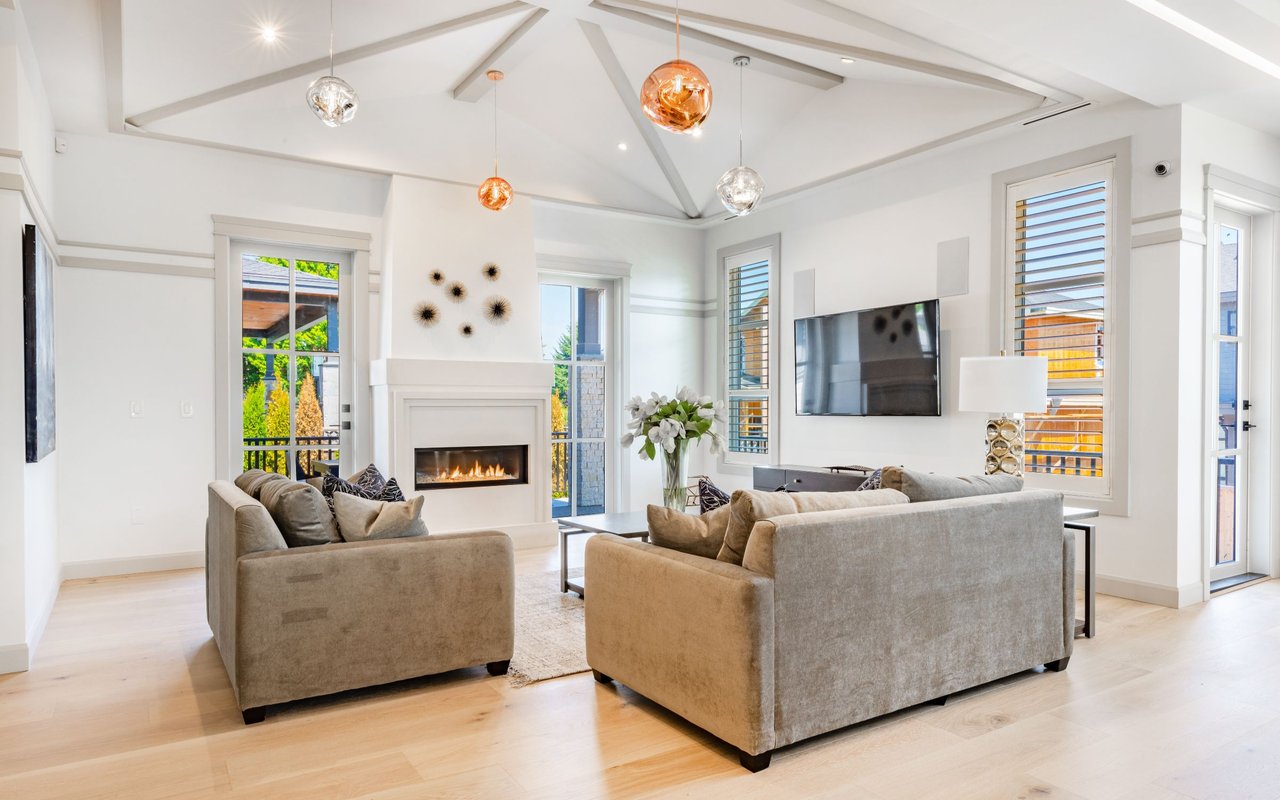
In many Newhall listings, the goal is not to over-style the home. It is to show clean sightlines, natural light, and a polished version of the home’s real character. For homes in or near Old Town, that may mean highlighting original or historically compatible details without distracting clutter.
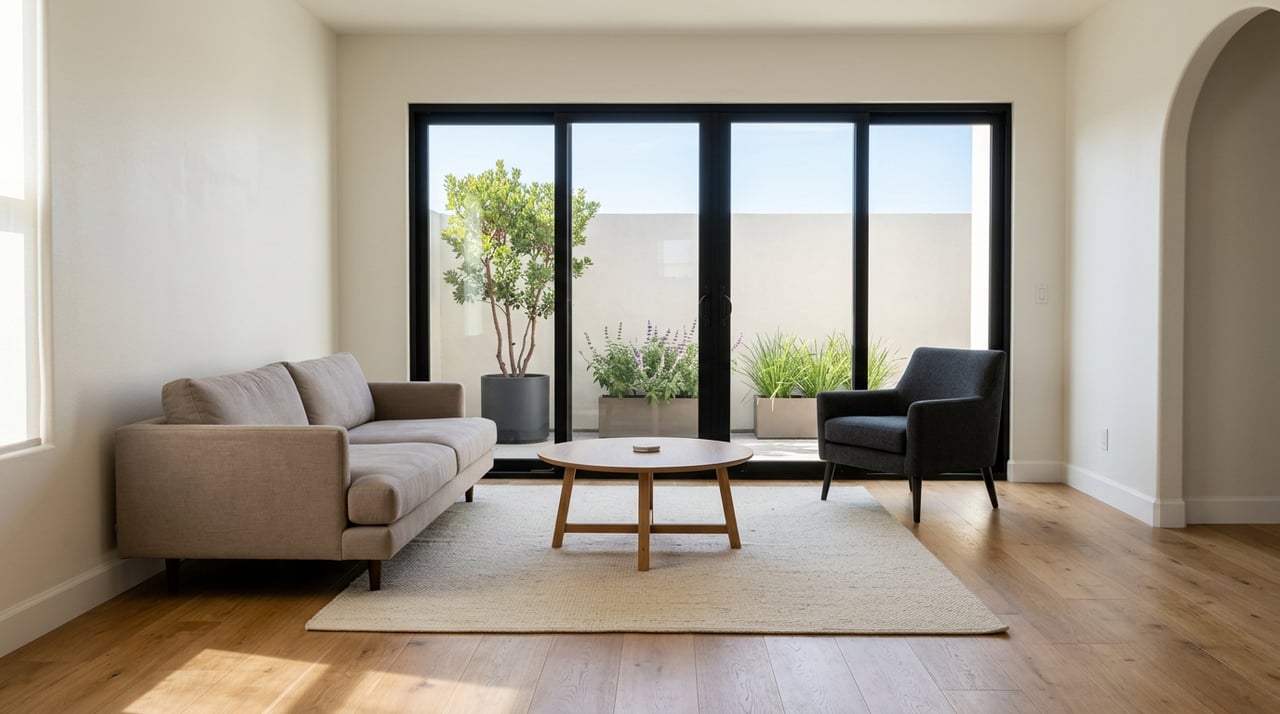
For other homes, the focus may be more practical. Buyers may respond best to open-feeling rooms, clean finishes, and simple staging that helps them understand how the space lives. The most effective presentation usually makes the home feel cared for, calm, and easy to picture as their own.
NAR also notes that many buyers now expect homes to look professionally staged, similar to what they see in media and online listings. That means your photos and your in-person showing experience should match. If the photos look polished but the showing feels cluttered or dim, buyer confidence can drop quickly.
Build the Showing Plan Early
A smooth showing process reduces friction for both you and the buyer. Before your home goes live, it helps to decide how you will handle access, lighting, temperature, pets, and daily tidying. The easier your home is to show on short notice, the more opportunities you create.
This also affects buyer impressions. Clean counters, open blinds, comfortable temperature, and minimal personal distractions can help buyers focus on the home itself. NAR has noted that bold decor and family photos can make it harder for buyers to picture themselves in the space.
Showing Checklist Before Launch
Use this checklist before your listing goes active:
- Make a plan for pets during showings
- Remove excess clutter from surfaces and floors
- Store personal photos and highly personal items
- Check that lights work and rooms feel bright
- Keep the home at a comfortable temperature
- Create a routine for quick cleanups before showings
- Make sure the home looks like the photos
These details may seem small, but together they shape how buyers feel when they walk in. A home that feels easy to tour often feels easier to say yes to.
Prepare Disclosures Before You List
In California, disclosure planning should start early. The California Department of Real Estate says the seller’s Transfer Disclosure Statement covers the property’s physical condition and potential hazards or defects. It also notes that the buyer’s agent must visually inspect the property and disclose readily observable defects.
California Civil Code section 1103 also requires natural hazard disclosures when a property is in mapped hazard areas, including flood, fire, earthquake fault, and seismic hazard zones when applicable. If your home is in one of those mapped areas, that will need to be addressed during the sale process.
For some older Newhall homes, lead-based paint rules may also apply. For most housing built before 1978, sellers must disclose known lead-based paint and lead hazards, provide available records and reports, and give buyers the required lead information pamphlet before the sale.
Why Early Disclosure Prep Helps
Getting disclosures organized early can reduce surprises later. It gives you time to gather information, answer questions, and prepare for buyer due diligence before you are deep into escrow. For sellers, that often means a calmer process and fewer last-minute scrambles.
This is especially important for older homes, where age, condition, and historic character may lead buyers to ask more detailed questions. When you are prepared upfront, you create a smoother experience for everyone involved.
Focus on a Clean Launch
If you are getting ready to list in Newhall, the goal is not to do everything. The goal is to do the right things in the right order. Price for your exact micro-market, complete the prep buyers will notice most, invest in presentation, and have showings and disclosures ready before launch.
That approach fits how Newhall works. Its historic core often rewards character and thoughtful presentation, while other parts of the market respond strongly to condition, clarity, and realistic pricing. When you build your strategy around your exact home and location, you give yourself a better chance at a strong start.
If you are planning a move in Newhall and want a clear, local strategy for pricing, prep, and next steps, connect with Montemayor & Associates for guidance tailored to your home.
FAQs
What should sellers know before listing a home in Newhall?
- Newhall works as a mix of smaller micro-markets, so sellers should base pricing and prep decisions on the home’s exact location, condition, and comparable sales rather than broad area averages.
How should homeowners price a Newhall home for sale?
- Homeowners should compare their property to recent sales in the same micro-area and similar condition, then set a realistic launch price that reflects how the home actually shows.
Does Old Town Newhall affect how a home should be marketed?
- Yes, homes in or near Old Town Newhall may appeal to buyers looking for architectural character and historic context, while homes outside the core may compete more on layout, updates, and move-in readiness.
What repairs should sellers make before listing a Newhall home?
- Many sellers benefit most from high-visibility improvements such as decluttering, deep cleaning, minor repairs, paint touch-ups, carpet cleaning, and landscaping rather than starting with a full remodel.
Why do staging and photos matter when selling a Newhall home?
- Buyers often judge homes online first, and strong staging and listing photos can make it easier for them to picture the home clearly and feel motivated to schedule a showing.
What disclosures are important when selling a home in California?
- California sellers should prepare the Transfer Disclosure Statement early, address required natural hazard disclosures when applicable, and disclose known lead-based paint issues for most homes built before 1978.